Welded vs One-Piece
WHERE FATIGUE STARTS.
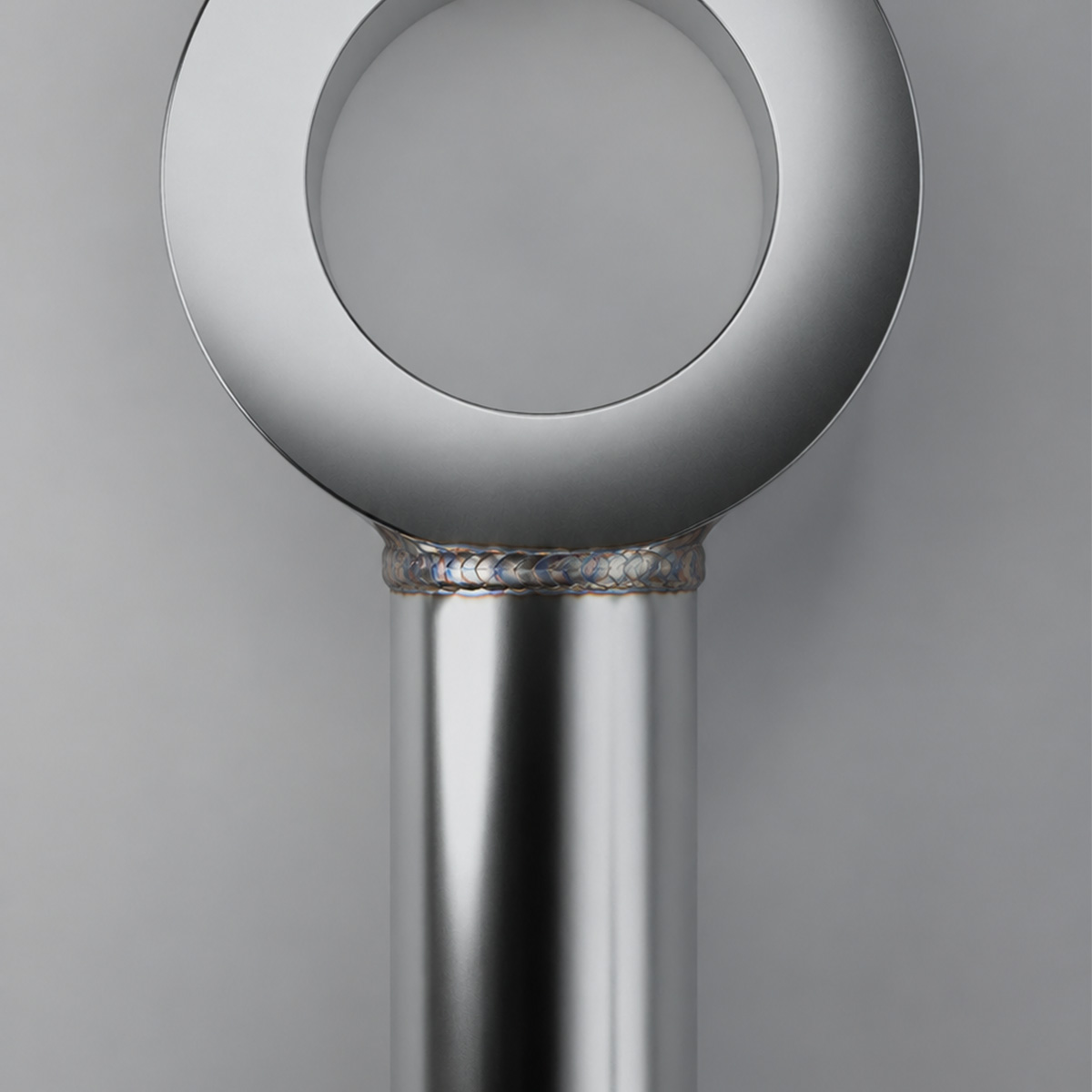
Welded
Stress concentrates at the weld toe, the most common origin of fatigue cracks.
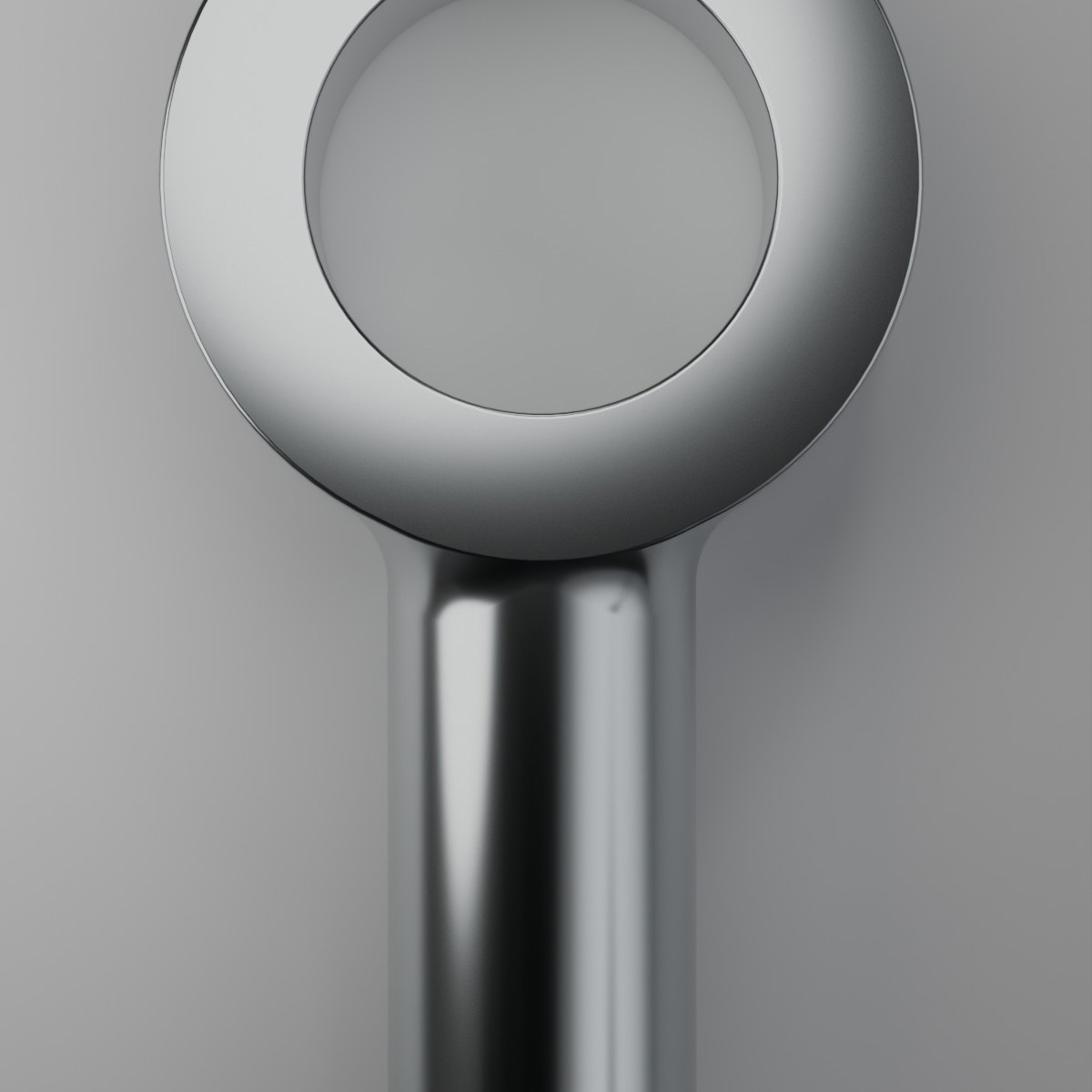
One-piece ·
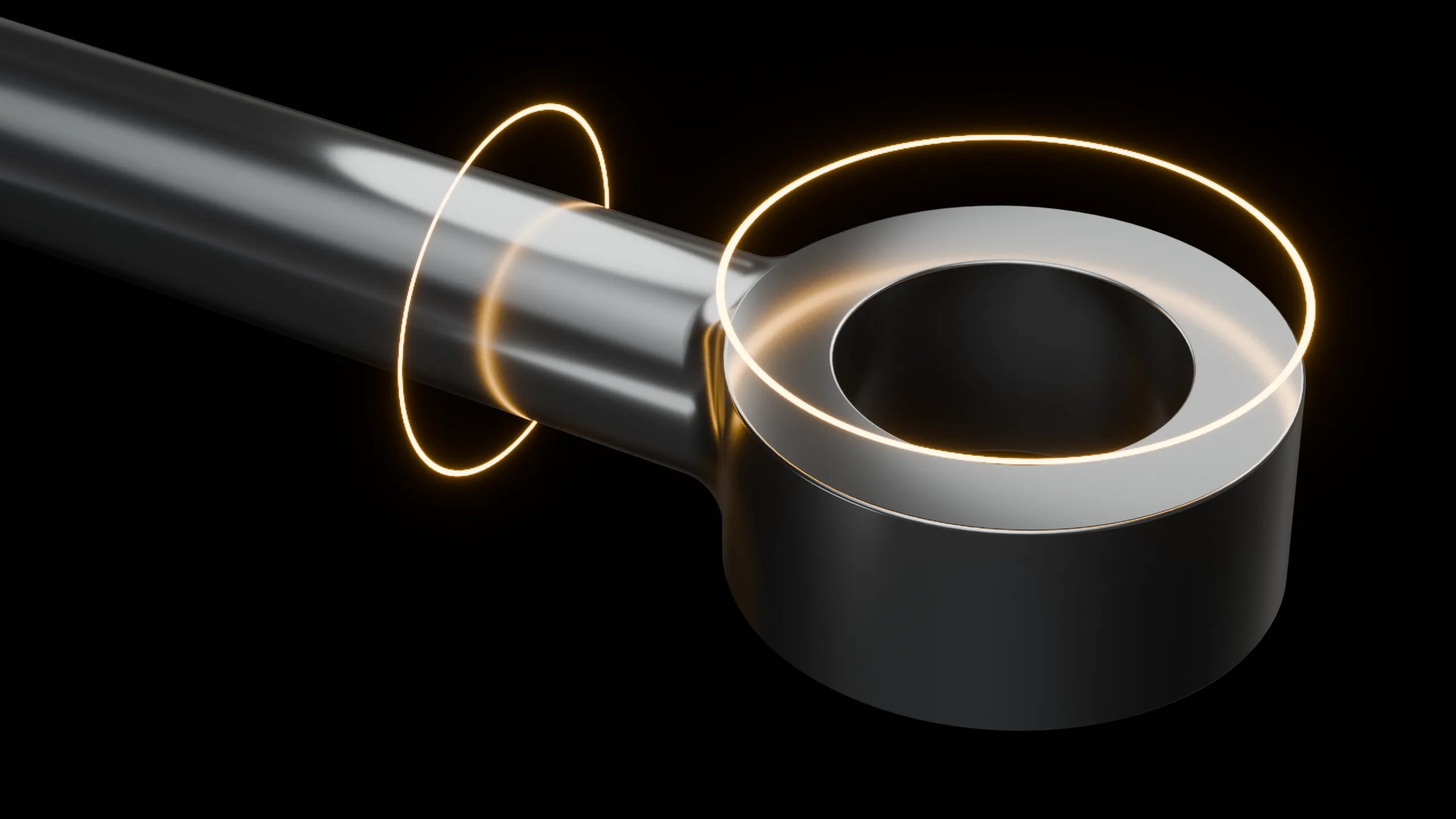
A smooth forged transition, with no weld toe to start a crack.
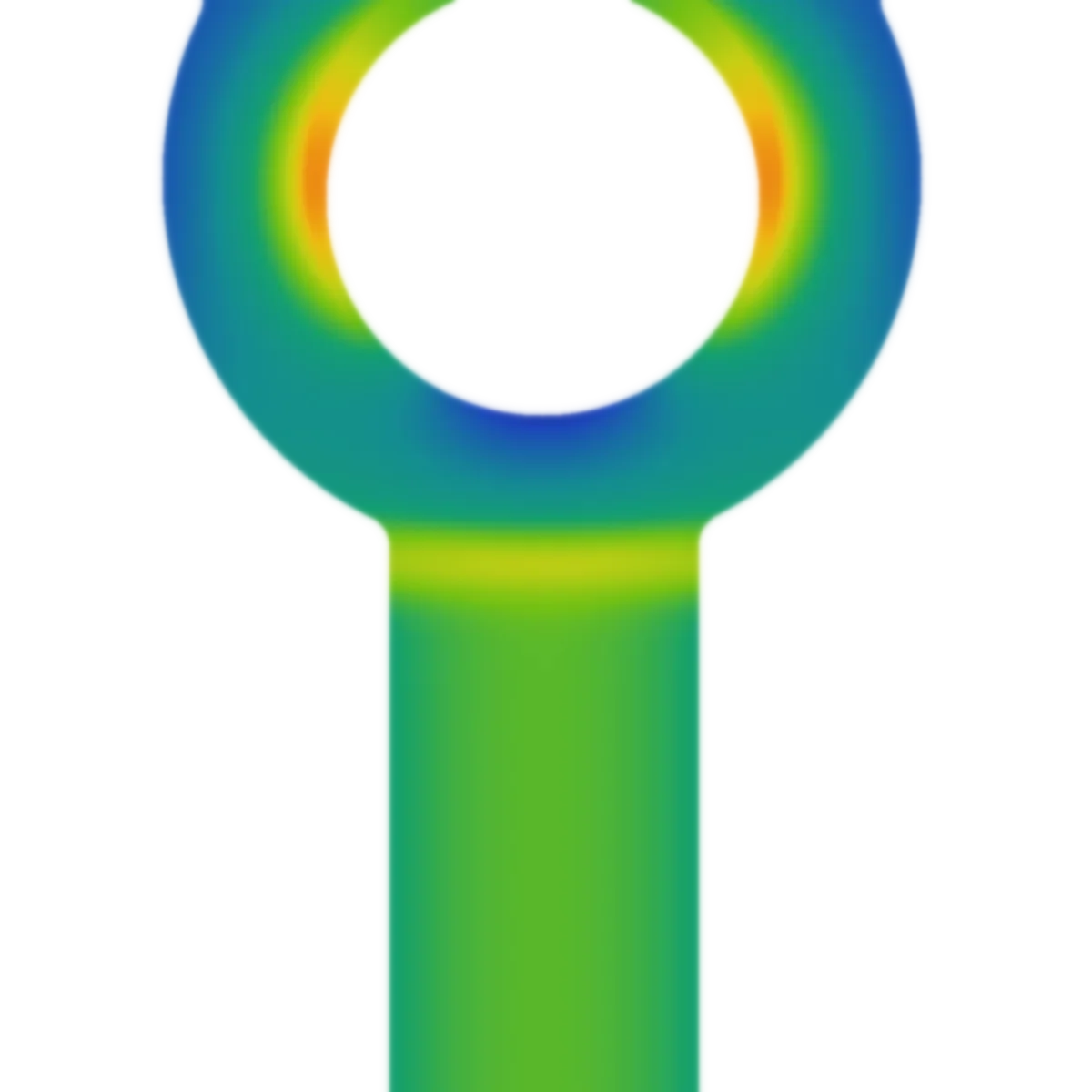
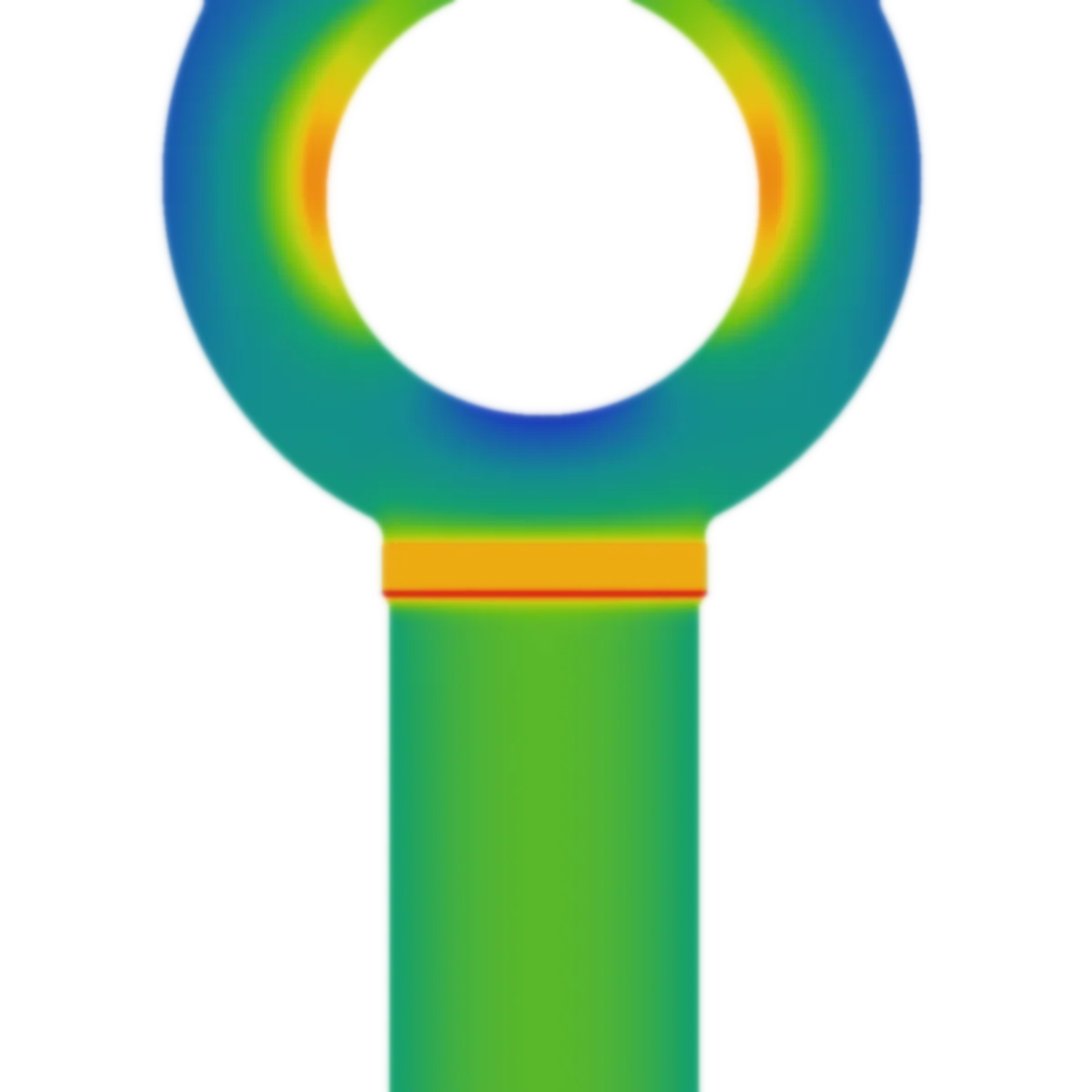
Low stress
High stress
Fatigue starts at the weld toe.
Both rods see similar stress around the pin hole. The difference is the joint: a weld toe adds a sharp notch, small defects and residual stress, which is why fatigue cracks usually start there. The forged rod has only a smooth transition.
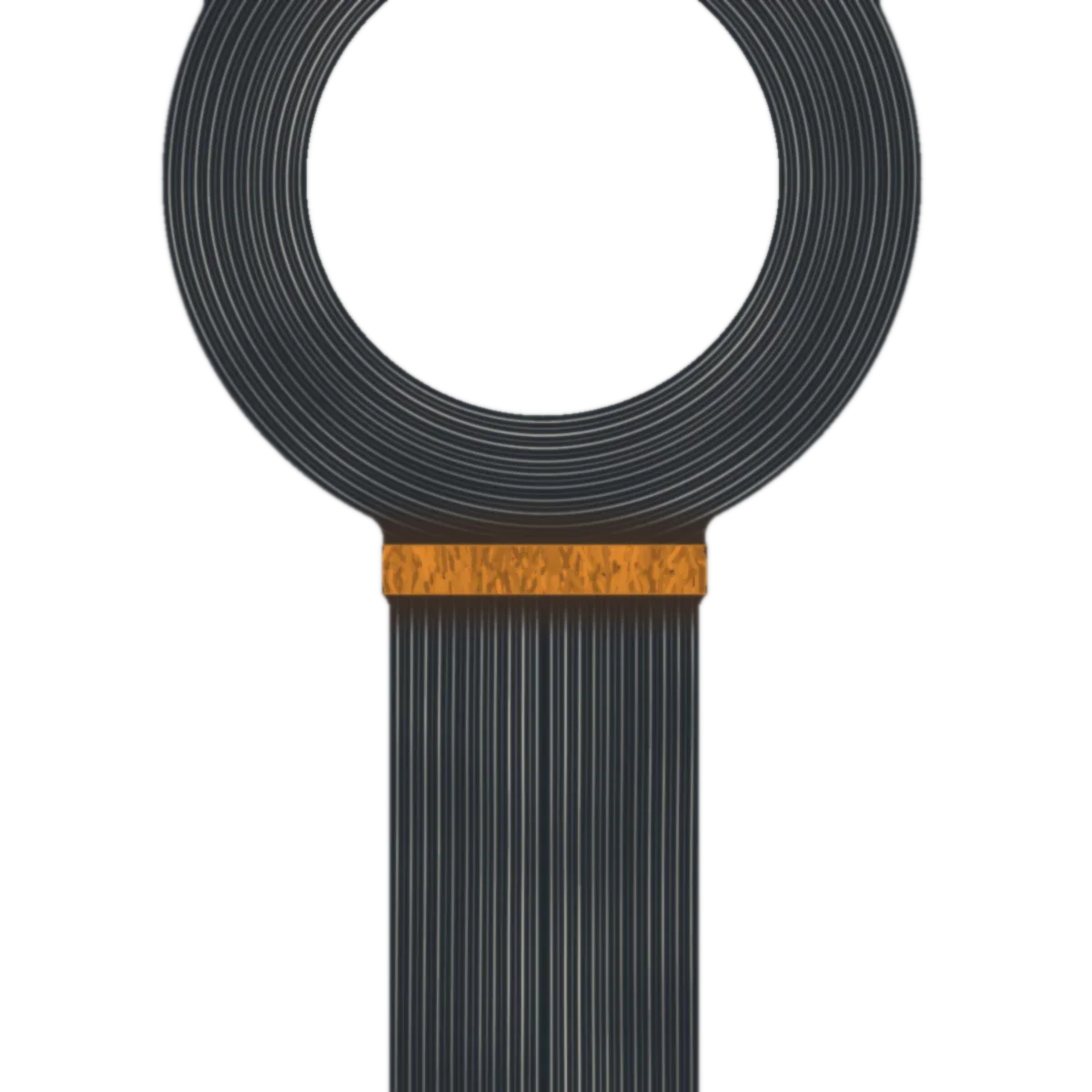
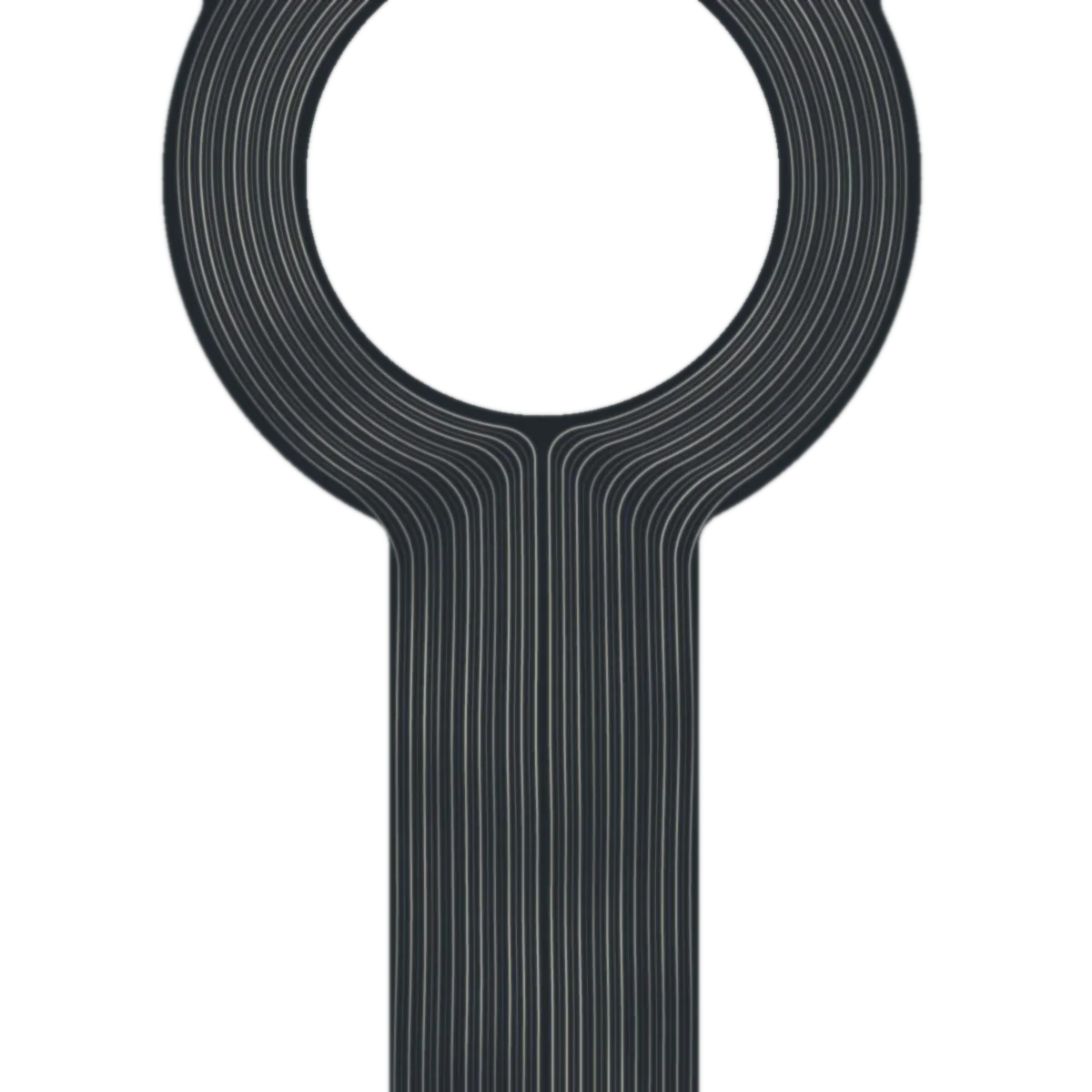
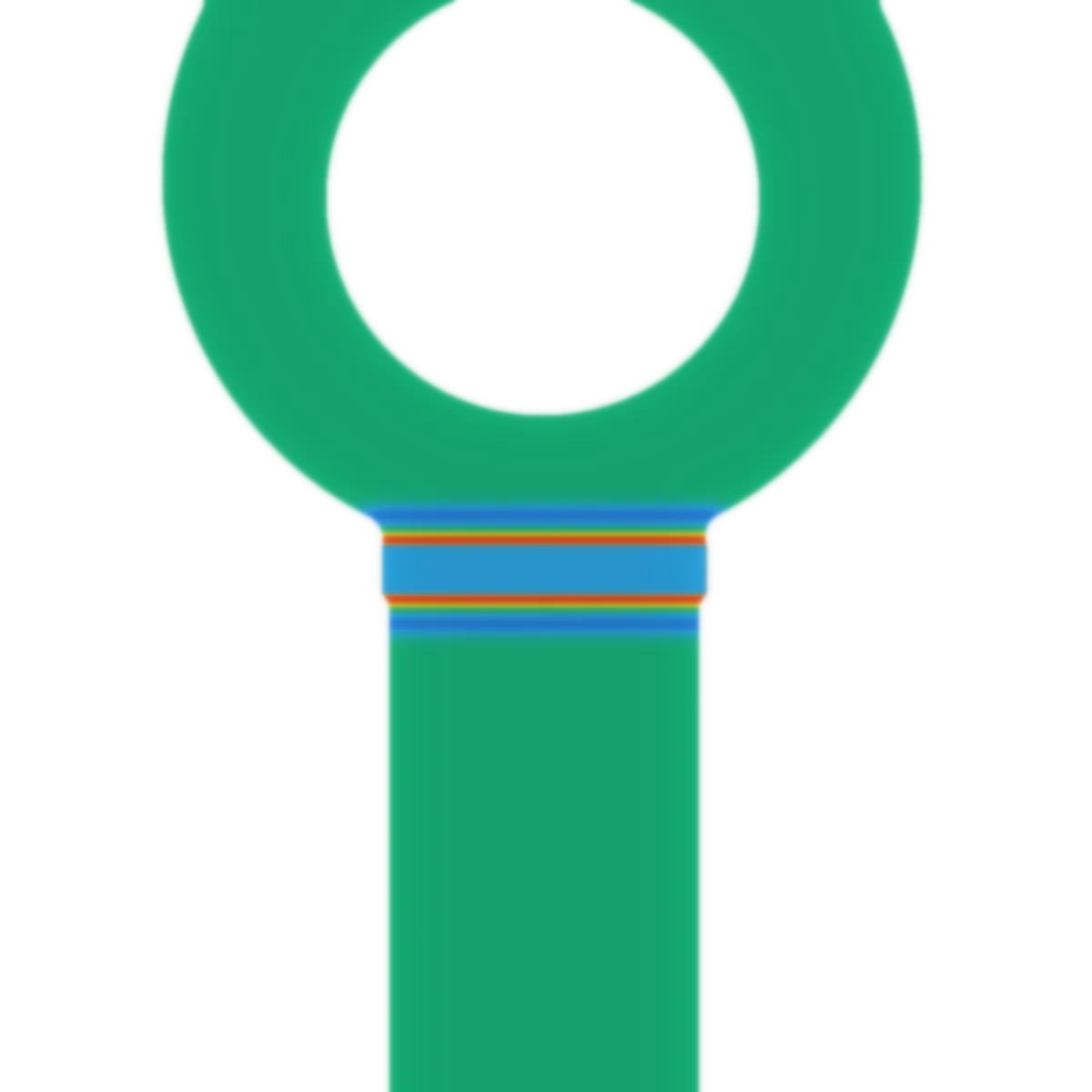

Maps are illustrative, not simulation or test results. The welded eye is shown with forged grain flow, the best case for the welded design. Weld-toe fatigue: Hobbacher & Baumgartner, Recommendations for Fatigue Design of Welded Joints and Components, IIW Collection, Springer, 2024.
BIGGER RODS. HARDER WELDS.
01
Friction welding has a size ceiling.The cleanest way to weld a rod eye is also limited by machine size. Typical rod friction welders reach about 90 mm in diameter.
02
The weld gets harder above 90 mm.Larger rods are usually arc-welded in multiple passes. Alloy steels like 4140 also need strict preheat and post-weld heat treatment.
03
Thicker welds are weaker in fatigue.Welding design codes lower the allowable fatigue stress as the section gets thicker.
Welded rod eye
One-piece
Beyond common friction welders
Friction Welded
Arc Welded
Multi-Pass, Preheat, PWHT
Forged in One Piece, No Weld
Ø120 mm
Eye Ends to Ø350 mm
40
60
90
120
140
Indicative ranges. Larger friction welders exist but are uncommon. Thickness effect in weld fatigue: Hobbacher & Baumgartner, Recommendations for Fatigue Design of Welded Joints and Components, IIW Collection, Springer, 2024.
Rod diameter (mm)
Rod Diameter
Eye Outer Diameter
NO WELD. AT ANY SIZE.
Rod diameter up to
Ø120 mm
Eye ends up to
Ø350 mm
Every size is closed-die forged to your drawing, in the grade you specify, then heat-treated as one piece. The grain flow runs unbroken from rod to eye, and the eye bore is finish-machined to size before it ships.
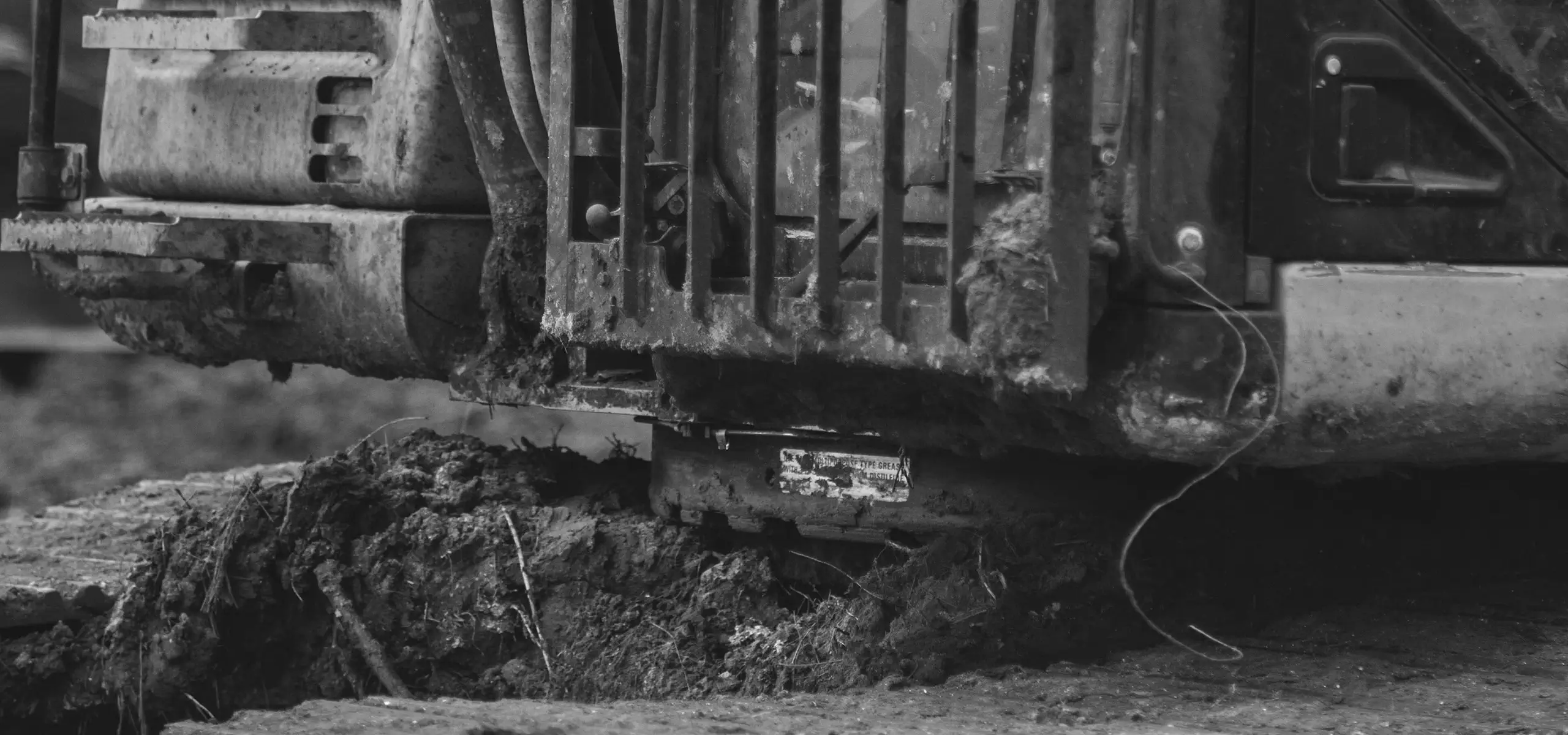
BUILT FOR THE JOBS THAT BREAK WELDS.
Mining
LIFTING
FORESTRY
EARTHMOVING
READY TO ASSEMBLE.
A typical welded rod still has to be prepped and welded, and often preheated, stress-relieved and crack-tested, before assembly. Ours arrives with none of that left to do: machined to your drawing, or part-finished so your shop can cut the thread or fit bushings and bearings in-house.
Typical welded rod
One-piece
Assemble
Assemble
Welding Steps
Cut Bar
Prep Joint
Preheat*
Weld Eye
Stress Relief*
Straighten
Crack Test
Forged, Heat-Treated, Machined and Inspected Before It Ships
*Typically for arc welding, large sections or alloy steels. Steps vary by shop and welding process.
All that's left is to fit it to your cylinder.
Machined to your drawing, inspected and documented. It goes straight into your cylinder.